Are you weighing two beautiful Boca waterfront condos that look similar but carry very different monthly dues? You are not alone. On the coast, the amenity mix can drive real costs, convenience, and resale outcomes in ways that are not obvious during a quick showing. This guide breaks down how the most common waterfront amenities in Boca Raton affect dues, reserves, insurance, and long-term value, and gives you a simple checklist to compare buildings with confidence. Let’s dive in.
How amenities shape value in Boca Raton
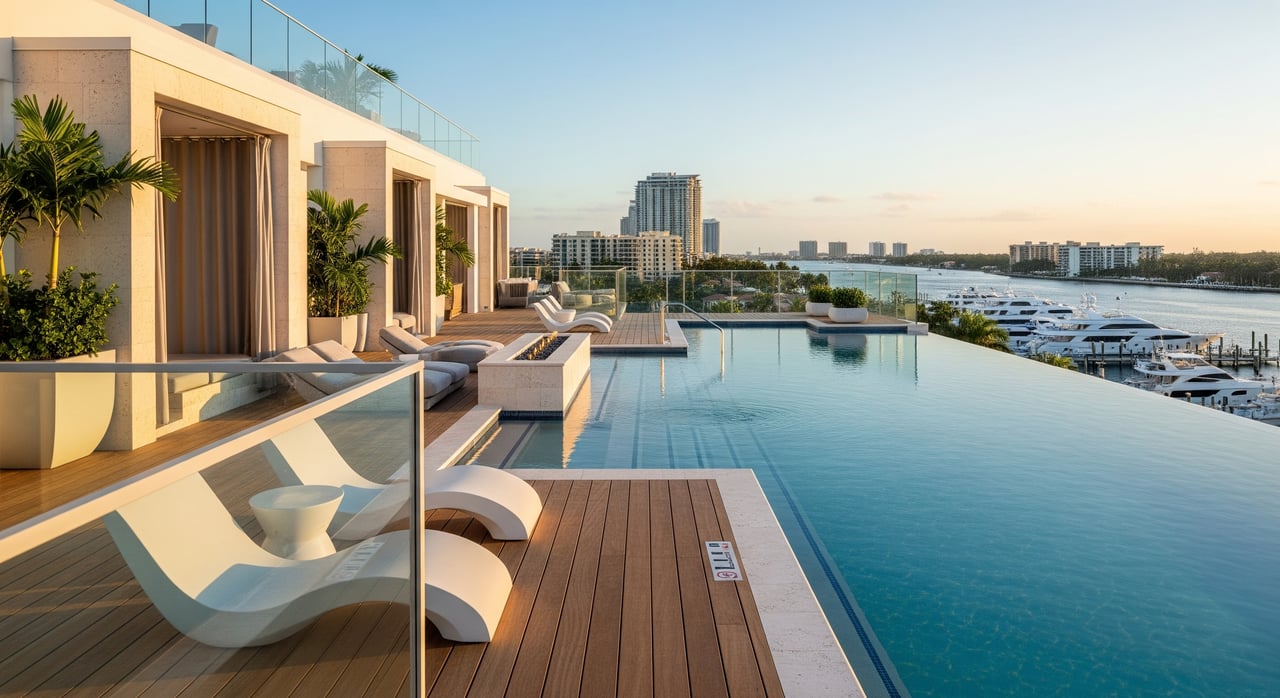
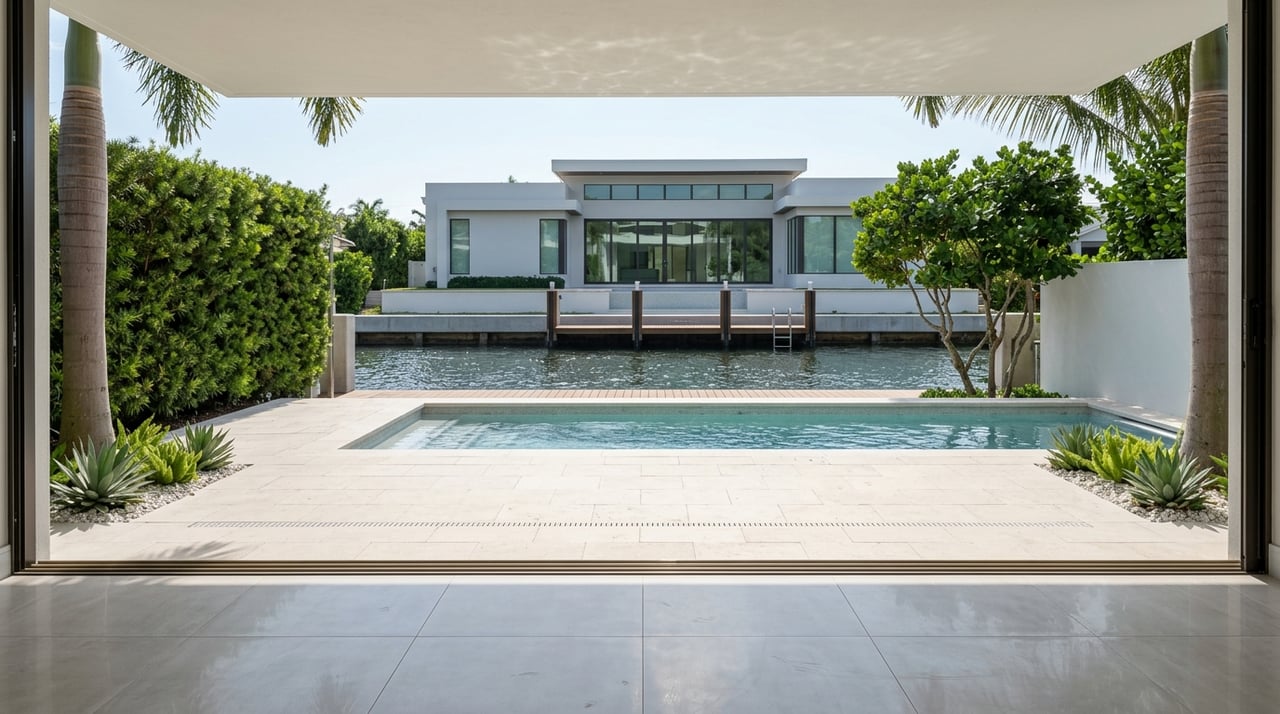
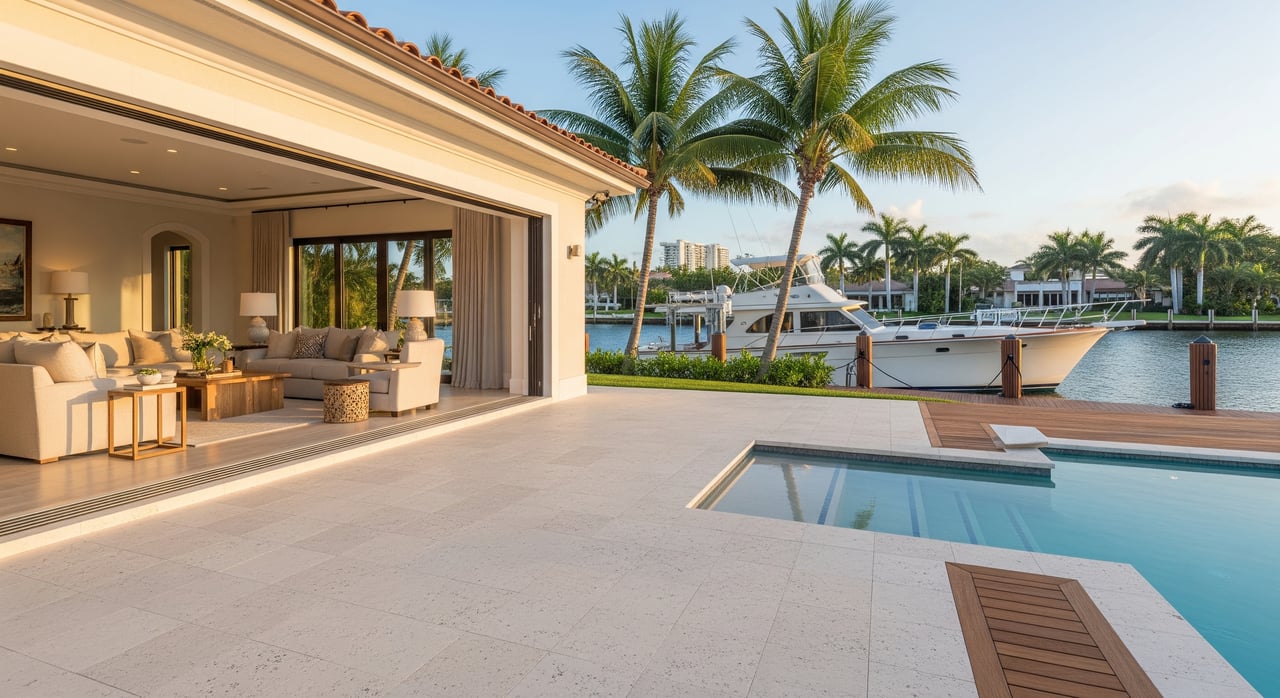
Boca Raton’s waterfront condos cluster on the Atlantic beachfront and along the Intracoastal Waterway. Supply on the water is finite, so buildings with on-site dockage or private beach access often command premium pricing. At the same time, amenity-heavy properties usually carry higher monthly assessments because staffing, maintenance, and insurance are larger line items.
You will also see sensitivity to flood zones, storm resilience, and insurance costs. These factors influence operating budgets and buyer demand, and they can affect financing. Understanding what you are paying for will help you align lifestyle goals with a sustainable total cost of ownership.
Dockage and marina options compared
Ownership and access models
- Deeded or fee-simple slips that convey with a unit. This can add appeal for boaters and introduce title and insurance complexity.
- Association-owned slips leased to owners. Revenue can help the budget, but management and maintenance must be well funded.
- Priority lists and waitlists controlled by the association. Policies matter if slips are limited.
- Third-party marina operator under contract. Professional management can improve operations and costs.
Cost and risk drivers
- Capital needs, including seawalls, dock replacement, dredging, piles, and boat-lift equipment.
- Operating costs, such as dock attendants, utilities, pump-out, fuel liability, and insurance.
- Regulatory compliance for dredging and environmental permits, which can be time-consuming and costly.
Resale impact and buyer fit
A slip that conveys with a condo attracts boat owners and can justify a premium. If your buyer pool is broader than boaters, a niche feature can lengthen market time. Association slip rentals can offset dues when run well, yet underfunded reserves for docks or seawalls raise the risk of special assessments that weigh on resale.
Questions to ask about dockage
- Who owns the slip, and does it convey with the unit?
- What are the slip length, depth at low tide, and maximum boat size?
- What is the dredging and maintenance history, and how are reserves funded for docks and seawalls?
- What are the liability limits and rules for slip rental or assignments?
Valet, concierge, and staffed services
What you get
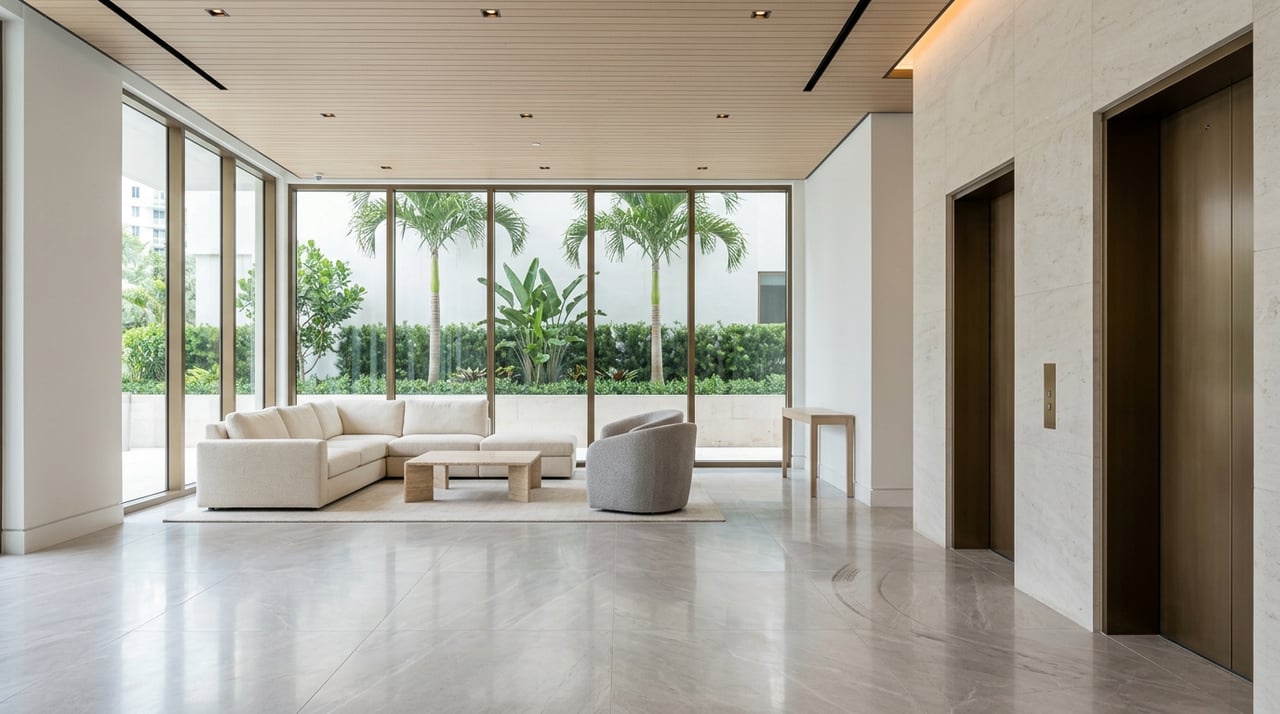
Many luxury buildings offer 24-hour lobby staff, valet parking, package handling, and a resident concierge. These services add real convenience for year-round and seasonal owners.
Budget impact to watch
Staffing is one of the largest recurring expenses in a condo association. Wages, benefits, training, and insurance can materially raise monthly assessments, especially for 24-hour coverage.
Appeal and resale
Buyers who value convenience and a hospitality experience often favor these buildings. Just be sure the service level lines up with your actual use and the budget is transparent.
Questions to ask about staffing
- What are the hours of coverage and staffing ratio per unit?
- Are services in-house or contracted, and what is the vendor contract term?
- How are costs allocated in the budget, and what is the total annual spend?
Beach access and beach service
Access models
Some properties control private beachfront, while others manage access through agreements. Service can include cabanas, chair and umbrella setup, attendants, and towels or beverage service.
Cost drivers and risks
Beach maintenance, staffing, and equipment add operating costs. After storms, beach renourishment and shoreline recovery may prompt special assessments if not funded.
Appeal and resale
Private access is a powerful selling point that lifts desirability. It also requires strong reserves and realistic planning for storm recovery to protect long-term value.
Questions to ask about the beach
- Is access deeded, easement-based, or managed by agreement, and who pays for upkeep?
- What is the history of renourishment costs or storm-related assessments?
- Are there insurance exposures tied to beachfront amenities?
Fitness, spa, and pool programs
Everyday appeal
A modern, well-maintained fitness center and an attractive pool appeal to a wide range of buyers. This is one of the most used amenity categories across lifestyles.
Operating realities
Pools and spas require heating, chemicals, and sanitation, and sometimes lifeguards. Fitness facilities need HVAC and steady equipment replacement. These items are frequent line entries in the operating budget.
Questions to ask about wellness facilities
- What is the age and replacement schedule for gym equipment?
- What is the pool heating and maintenance policy?
- Are there premium fees for classes or guest access?
Privacy and security layers
Models and systems
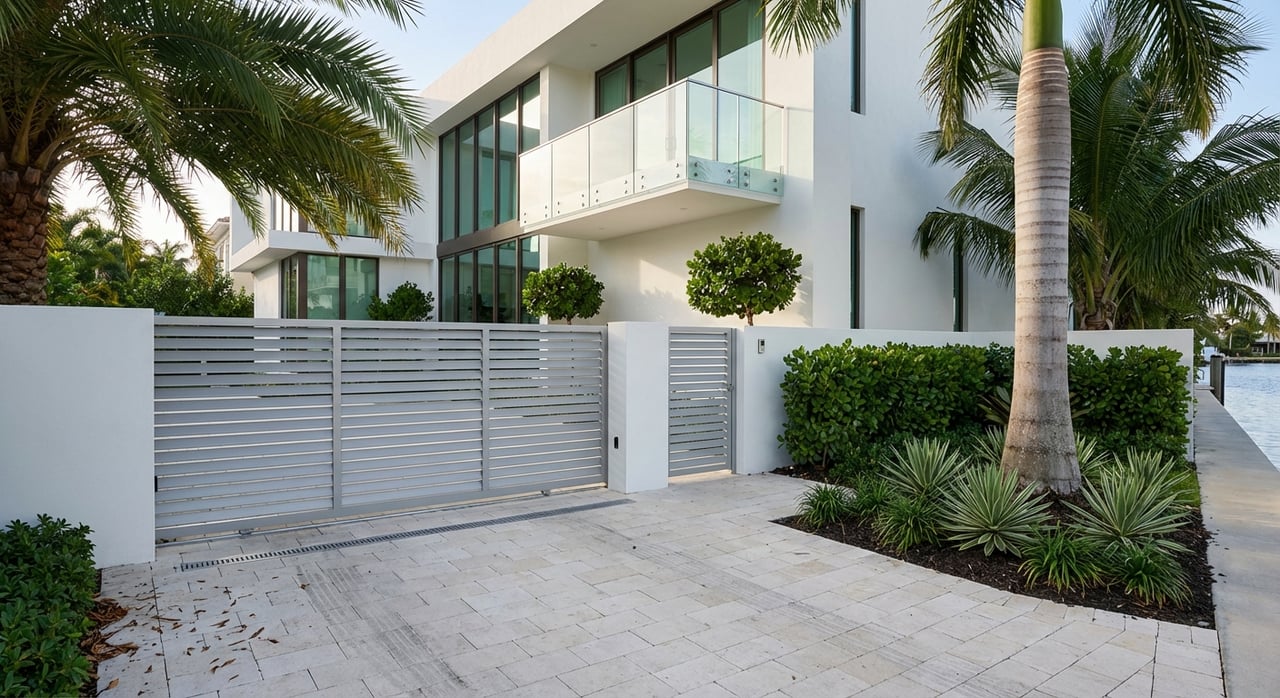
Gated entries, staffed security, CCTV, and controlled access fob systems are common. Some buildings employ their own personnel, while others contract security vendors.
Dues and value
Security staffing is expensive and usually a consistent driver of HOA dues. For many buyers, privacy and safety justify higher fees and can support pricing at resale.
Questions to ask about security
- What are staff hours, camera coverage, and the visitor access process?
- Is there a recent security incident history and an upgrade plan with costs?
- How are monitoring contracts structured?
Emerging and essential extras
- Covered or assigned parking and guest parking, which shape everyday convenience and are tied to maintenance costs.
- Storage lockers, bicycle storage, and private wine lockers, which add utility and require capital planning and security.
- EV charging, including electrical upgrades and metering strategies. Demand is rising and can require upfront investments.
- Backup generators and flood pumps, which reduce disruption in storms and are major capital items to maintain.
- Pet facilities and policies, which affect cleaning, maintenance, and insurance.
- Elevators and redundancy, which are critical in high-rises and significant reserve items.
How amenities translate into dues and risk
Direct cost drivers
- Staffed services across concierge, security, and maintenance.
- Utilities included in dues for common areas and amenities.
- Amenity consumables, such as pool chemicals and gym supplies.
- Capital replacement, such as docks, seawalls, generators, HVAC, and elevators.
- Insurance premiums that scale with waterfront exposure and amenities.
- Regulatory compliance and permitting, especially for marinas and accessibility.
Reserves and special assessments
Well-run associations commission reserve studies and fund replacements. Buildings with docks, seawalls, elevators, and complex amenities need larger reserves. If reserves are underfunded, owners face special assessments, which can affect marketability.
Insurance and underwriting
Waterfront properties often carry higher property and liability premiums. Lenders review association financials and insurance, and high dues or weak reserves can limit financing options or require larger down payments. Flood zones and elevation influence flood insurance costs.
Liquidity tradeoffs at resale
Amenities with broad appeal, such as a modern gym, secure parking, and an attractive pool, tend to support liquidity and pricing. Highly specialized features, such as deeded large slips, can increase value for the right buyer but narrow the pool and sometimes extend time on market. Profitable amenities like well-run slip rentals can offset dues.
Regional regulatory and environmental factors
Coastal erosion and storm recovery work can lead to significant expenses and assessments if not planned. Dredging and marina permits add cost and time for maintenance. Florida condominium governance sets disclosure and reserve frameworks that guide how these projects are funded.
A simple evaluation framework
Use a quick scoring grid to align lifestyle with cost:
- List each amenity and rate personal importance from 1 to 5.
- Rate ongoing cost impact from 1 to 5, considering staffing, maintenance, and insurance.
- Flag liability or regulatory exposure that could increase risk, especially for docks and beachfront.
- Mark whether the amenity has broad appeal at resale or is niche.
- Prioritize amenities with high personal importance and low to moderate cost impact.
For boaters, give extra weight to slip ownership, size, and clear access to open water. For seasonal owners, prioritize reliable staffing and services that align with peak season calendars. For long-term investors, emphasize liquidity and avoid amenity stacks that depend on frequent assessments.
Due diligence checklist for Boca buyers
Documents to request early
- Current association budget with amenity line items.
- The latest reserve study and replacement schedule for docks, seawalls, elevators, and pool equipment.
- Board and association meeting minutes from the last 12 to 24 months.
- Association insurance policies, including wind, hurricane, and flood, with deductibles.
- Rules and regulations for slips, guest access, parking, pets, rentals, and concierge use.
- Slip deeds or lease agreements if dockage is involved.
- Recent engineering reports for seawalls, docks, and elevators.
- Records of recent capital projects and any outstanding or approved assessments.
Facility walk-through questions
- Dockage: slip length, low-tide depth, electrical and water availability, fuel or pump-out services.
- Security: staff hours, incident logs, camera coverage, and visitor systems.
- Concierge and valet: duties, staffing level, vendor terms, and annual cost.
- Pool, spa, and gym: last equipment replacement date, cleaning schedule, and vendor maintenance contracts.
- Generators and flood mitigation: capacity, system coverage, and last load test date.
Financial red flags
- Reserves that do not align with upcoming replacement needs and a recent pattern of special assessments.
- Large planned capital projects without a funding plan.
- Insurance with very high deductibles or signs of coverage disputes.
- Unfunded litigation against the association.
- Complex or unclear slip ownership structures that complicate title.
Negotiation ideas that work
- If minutes show unfunded projects, negotiate price or request a seller contribution toward anticipated assessments.
- Add contingencies for review of the reserve study, insurance policies, and recent minutes.
- When dockage is a deciding factor, bring in a marina specialist or marine surveyor to confirm slip adequacy for your vessel before you waive inspection contingencies.
Work with a local advisor who knows the water
The right amenity stack should fit your everyday life and protect your exit options. A clear-eyed review of staffing levels, reserves, insurance, and regulatory exposure will tell you whether a building’s lifestyle promise is sustainable. If you want a calm, disciplined process and access to selective inventory, we are here to help.
Ready to compare specific Boca buildings side by side and get documents before you tour? Connect with Keith Neff and Camilla Goodwin LLC for discreet guidance and curated options.
FAQs
What amenities raise Boca condo dues the most?
- Staffed services like concierge, valet, and security, plus big-ticket maintenance for docks, seawalls, elevators, and pools, are common drivers of higher dues.
How does a deeded boat slip affect resale?
- A deeded slip can command a premium with boaters, but it narrows the buyer pool and may lengthen market time for non-boaters if overall dues are high.
Is private beach access worth the extra cost?
- It can be a powerful lifestyle and resale feature, but you should confirm renourishment history, storm recovery costs, and whether reserves cover shoreline work.
What documents should I review before making an offer?
- Ask for the current budget, reserve study, 12 to 24 months of minutes, insurance policies, rules, and any slip deeds or leases if dockage matters.
How do insurance and flood zones affect financing?
- Waterfront exposure and flood zones influence premiums and underwriting; lenders scrutinize association financials and insurance, which can affect loan options.
What should seasonal residents prioritize in amenities?
- Reliable staffing for concierge and security, practical storage and parking, and service levels that match peak season schedules are smart priorities.