Are you weighing cash versus financing for a luxury, boat‑friendly home in East Fort Lauderdale? You want a smooth path to closing and a strategy that wins without unnecessary risk. In this guide, you’ll learn how each option affects offer strength, timelines, appraisal and insurance hurdles, and negotiation in waterfront neighborhoods like Las Olas Isles, Rio Vista, and Harbor Beach. Let’s dive in.
East Fort Lauderdale luxury, defined
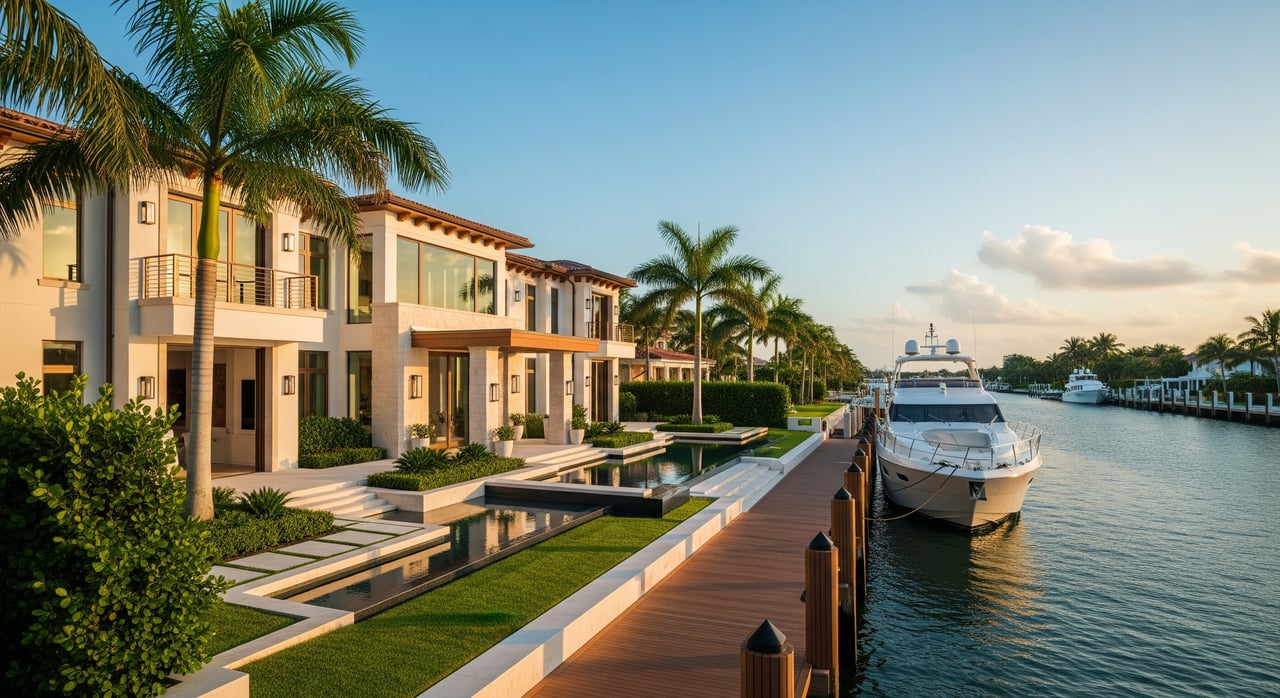
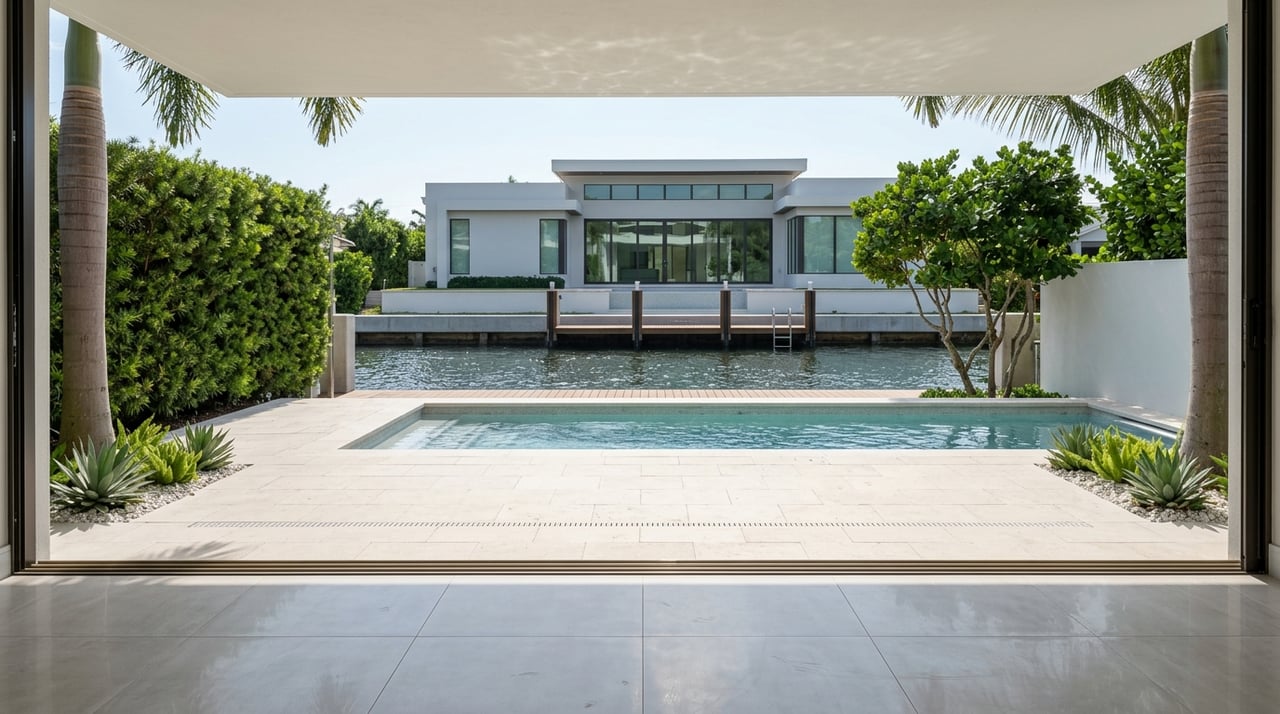
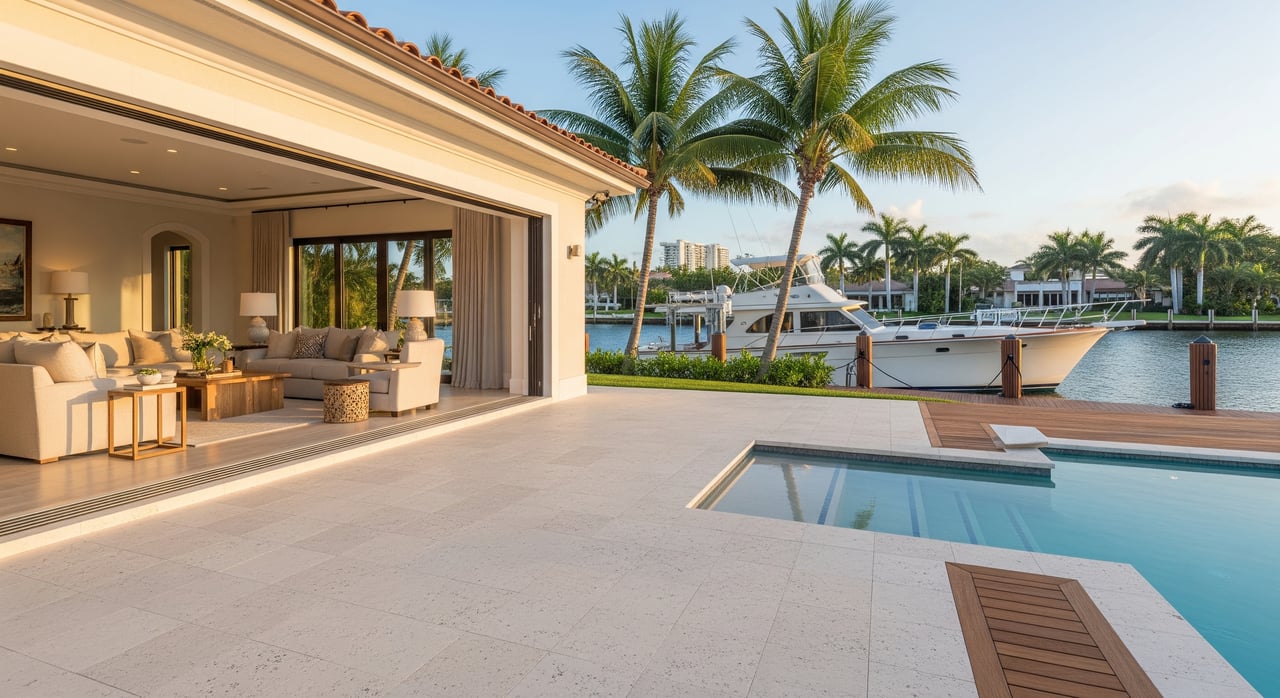
East Fort Lauderdale’s luxury market centers on waterfront single‑family homes, estates, and high‑end condos or townhomes with private docks or marina access. You’ll see buyers prioritize boat access, proximity to the Intracoastal and Atlantic, premium finishes, and hurricane‑ready features like impact windows and reinforced seawalls. Buyer pools include local high‑net‑worth residents, out‑of‑state and international purchasers, and second‑home buyers. That mix often leads to a higher share of all‑cash purchases than the broader market, though the exact share shifts with mortgage rates, stock performance, inventory, and seasonality.
Cash vs. financing: what really changes
Cash and financing can both win in East Fort Lauderdale luxury. Cash typically brings greater certainty and speed, which sellers value in competitive situations. Financing can still compete when you package a strong jumbo pre‑approval and tight timelines with flexible terms. Your best move depends on neighborhood conditions, recent comps, and the cash share among active buyers at your price point.
How to get the real numbers
If you want exact local figures, ask your agent to pull them using this method:
- Define luxury for your search area, such as the top 10 to 20 percent of sold prices or a price threshold by neighborhood.
- Pull closed sales for the last 6 to 12 months in East Fort Lauderdale from the local MLS (Stellar MLS), then export the financing type for each closing.
- Cross‑check any gaps with Broward County public records to confirm whether a recorded mortgage exists.
- Calculate the cash share overall and by price band, property type, and sub‑neighborhood.
- Compare days on market and days to close for cash versus financed deals.
- Refresh quarterly and note changes alongside mortgage rates and inventory levels.
What cash really buys you
- Stronger certainty. Sellers often prefer cash because there is no lender underwriting contingency and fewer reasons for a deal to fall through.
- Faster closings. Cash deals can often close in 7 to 21 days, assuming clean title and smooth payoff or association processes.
- Less appraisal risk. Lenders usually require an appraisal for financing. Cash buyers can choose to obtain a valuation for their own risk management without lender conditions.
How financed buyers compete
You can stay competitive with a jumbo loan by tightening terms and showing capacity to close:
- Secure a robust pre‑approval from a jumbo lender, not a soft pre‑qualification.
- Increase your earnest money and shorten financing and inspection contingency periods.
- Consider a clearly defined appraisal gap provision, limited to a reasonable amount.
- Offer flexible timing, a seller rent‑back if needed, or coverage of reasonable closing costs.
Timelines and key milestones
- Cash closings: Often 7 to 21 days. Title, association docs, and seller logistics are the main pacing items.
- Financed closings: Usually 30 to 60 days for jumbo loans. Waterfront homes can add extra reviews, which may extend timelines.
- Waterfront diligence for lenders often includes: clear title to docks and easements, absence of maritime liens, verification of seawall condition, elevation or engineering reports if requested, and proof of insurability for wind and flood.
Appraisals and valuation on the water
Luxury waterfront properties can be hard to appraise due to limited comparable sales. For financed buyers, a low appraisal can trigger renegotiation, a buyer exit, or a secondary financing solution to bridge the gap. Sellers can reduce valuation friction by preparing a comp package, documenting recent improvements, and considering a pre‑listing appraisal. Cash buyers can pay above comps with fewer hurdles, but it is still wise to order an independent valuation.
Insurance and lender requirements
Insurability can be a deciding factor in financed purchases. Lenders typically require wind and flood coverage that meets underwriting standards. For older seawalls or properties with coastal exposure, lenders may request engineering reports or additional documentation. Early insurance underwriting and a current flood elevation certificate can prevent delays.
Negotiation plays that work
- If you are paying cash: Shorten inspection and closing windows, keep inspection rights for protection, and leverage fewer contingencies to negotiate price or terms.
- If you are financing: Present a strong pre‑approval with lender contact, boost your deposit, use an appraisal gap provision if appropriate, and match the seller’s ideal timing.
- If you are selling: Compare offer certainty alongside price. Validate proof of funds or pre‑approval, speak with the lender, and consider requesting accelerated contingencies, appraisal gap coverage, or additional non‑refundable deposits after inspections if you need high certainty.
What to ask your agent to pull
For sellers
- Cash share for comparable sales in your sub‑neighborhood and price band for the last 12 months.
- Average days to close for cash versus financed deals in the area.
- Average percent of list price received, broken out by financing type.
- Typical contingencies and frequency of repair credits or concessions.
- Insurance notes for similar homes, including wind and flood considerations.
For buyers
- Recent cash share at your price point and whether multiple offers you face are cash or financed.
- A short list of experienced jumbo lenders with typical underwriting timelines for waterfront homes.
- Appraisal behavior on comparable properties and how often appraisals come in low.
- Closed comps that include financing type, to see how financed outcomes compare to cash.
Putting it together
In East Fort Lauderdale’s luxury, boat‑friendly market, cash often wins on certainty and speed, especially at higher price tiers and in tight inventory. That does not mean financing is a disadvantage. A well‑structured jumbo offer that respects the seller’s timing, minimizes contingencies, and addresses appraisal risk can be nearly as compelling. The right choice for you comes down to current neighborhood data, your risk tolerance, and how you package your terms.
When you want discreet guidance, local data, and a smooth process from offer to close, connect with Keith Neff and Camilla Goodwin LLC. Request Exclusive Off‑Market Access, and let’s build a strategy that fits your goals on the water.
FAQs
How strong is a cash offer in East Fort Lauderdale luxury?
- Cash offers are typically stronger on certainty and speed, and in tight inventory sellers often prefer them, but any price premium or advantage varies by neighborhood and should be confirmed with a recent MLS analysis of closed sales.
Can a financed buyer compete with cash on waterfront homes?
- Yes, with a robust jumbo pre‑approval, a larger earnest deposit, shortened contingencies, an appropriately capped appraisal gap, and flexible timing that aligns with the seller’s needs.
What is the usual closing timeline for cash vs. jumbo financing?
- Cash often closes in 7 to 21 days, while jumbo financing usually takes 30 to 60 days, and waterfront diligence like seawall or insurance reviews can lengthen the financed timeline.
Do waterfront homes see a different cash share than inland luxury?
- Often yes, because unique features and appraisal complexity add hurdles for financing, which can increase the cash share at higher price tiers compared to inland luxury.
What should sellers ask for beyond price when comparing offers?
- Request proof of funds or a strong pre‑approval with lender contact, clear contingency timelines, any appraisal gap terms, and consideration for rent‑back or additional non‑refundable deposits after inspections if certainty is a priority.