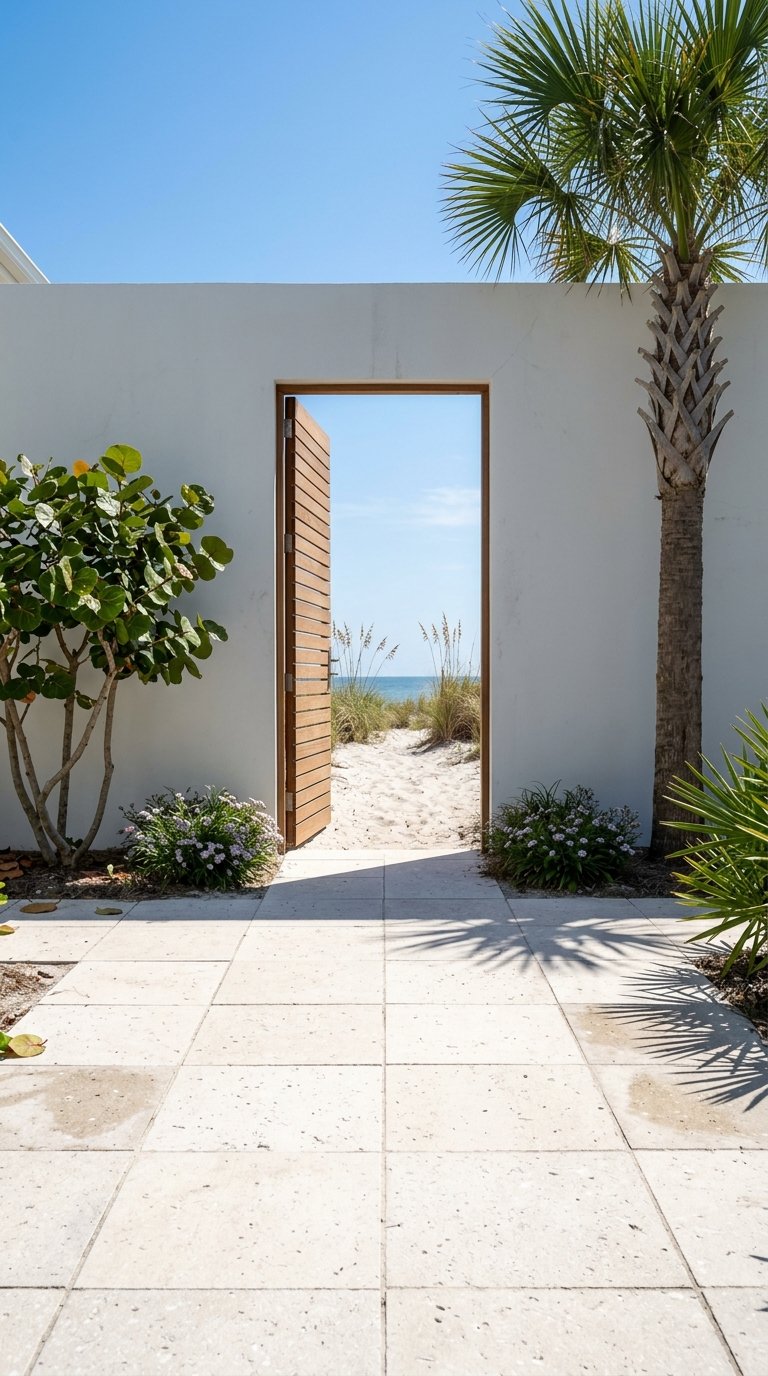
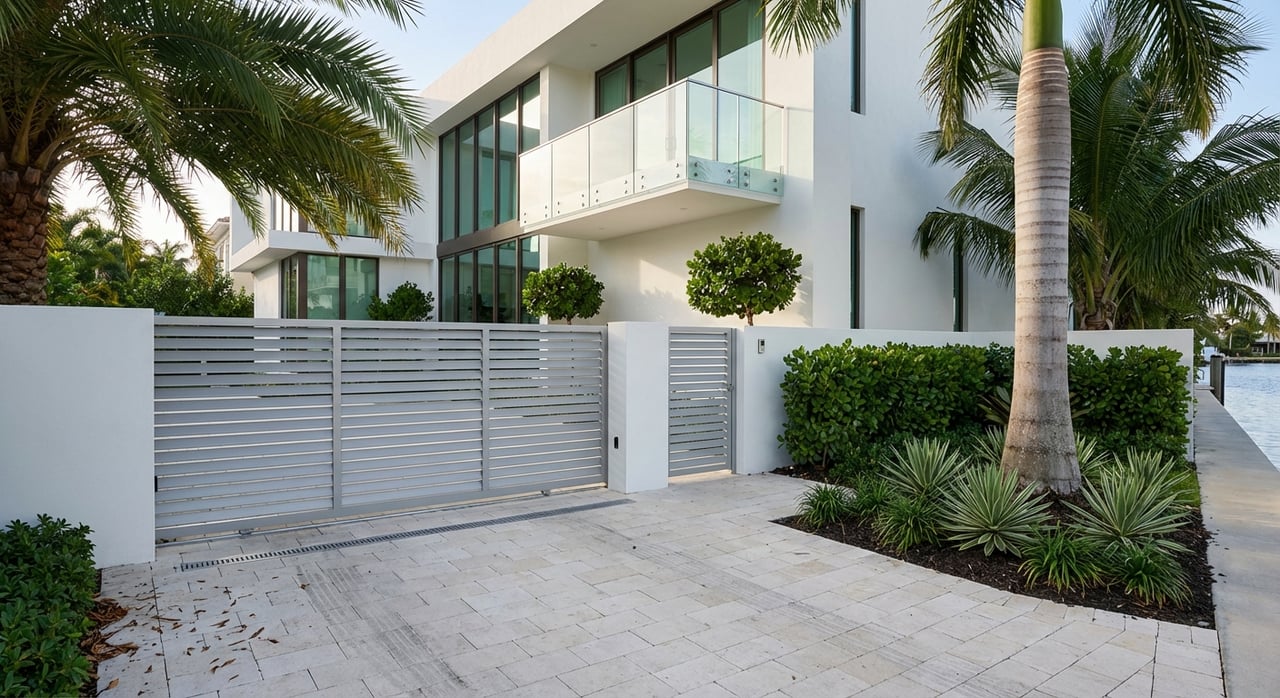
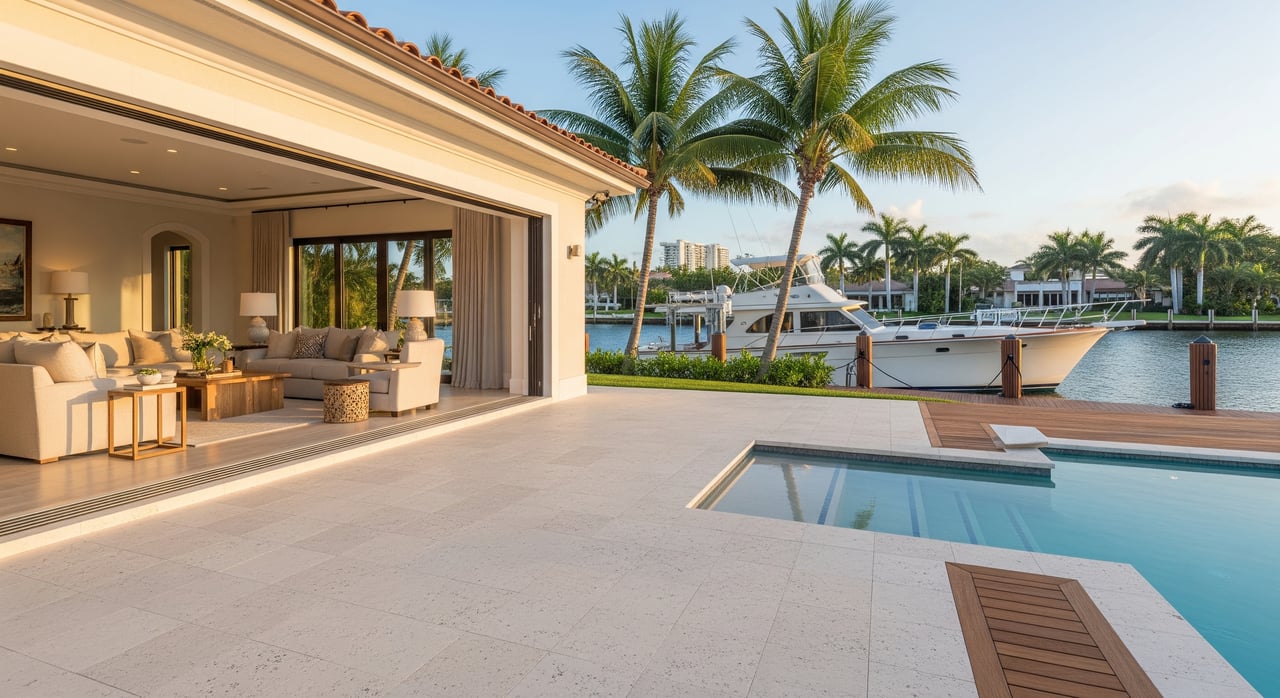
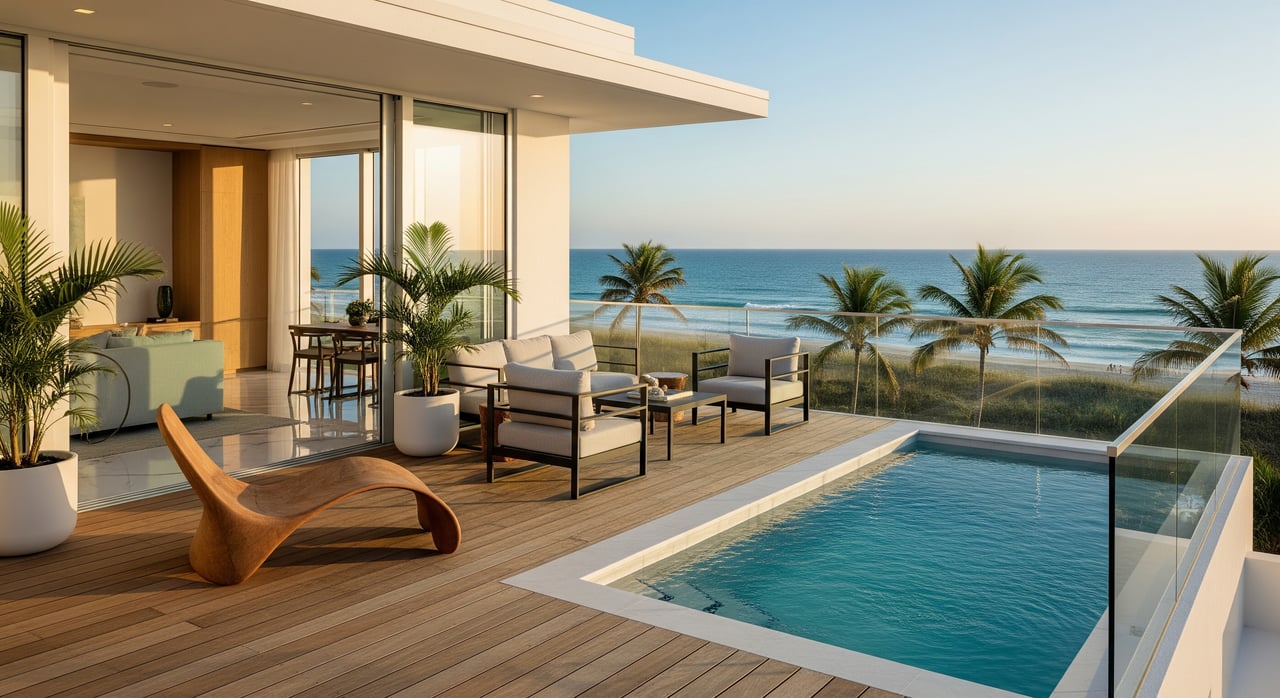
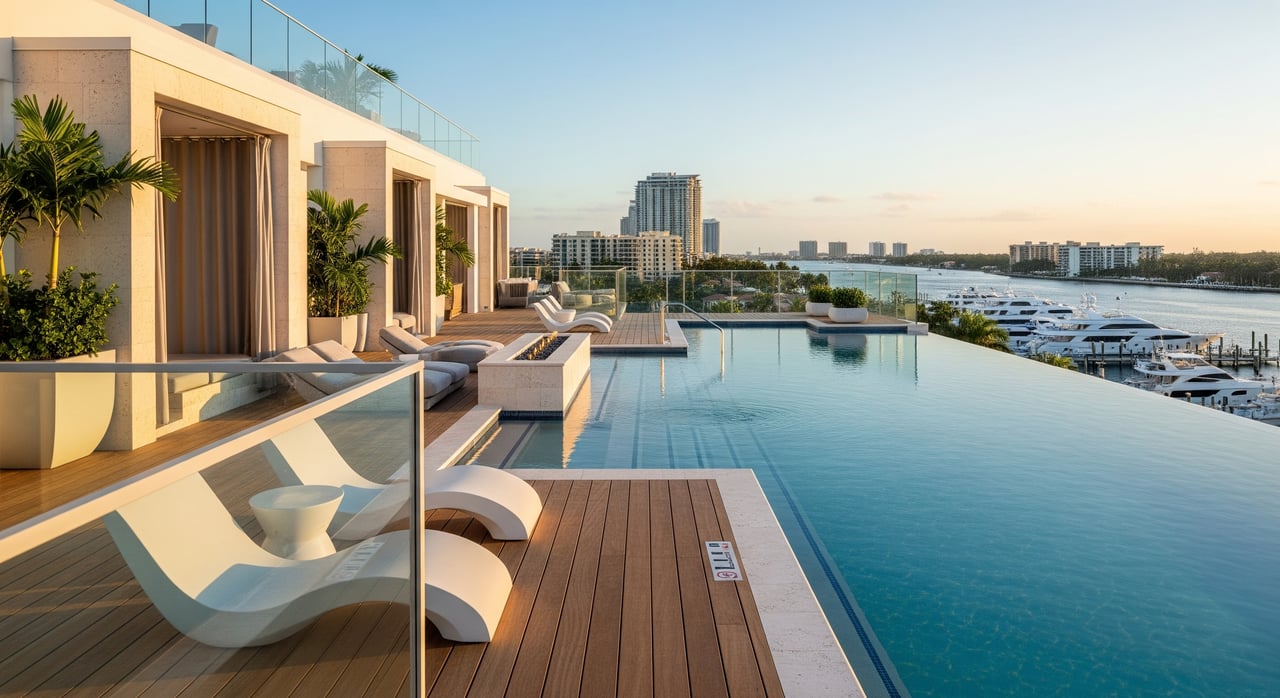
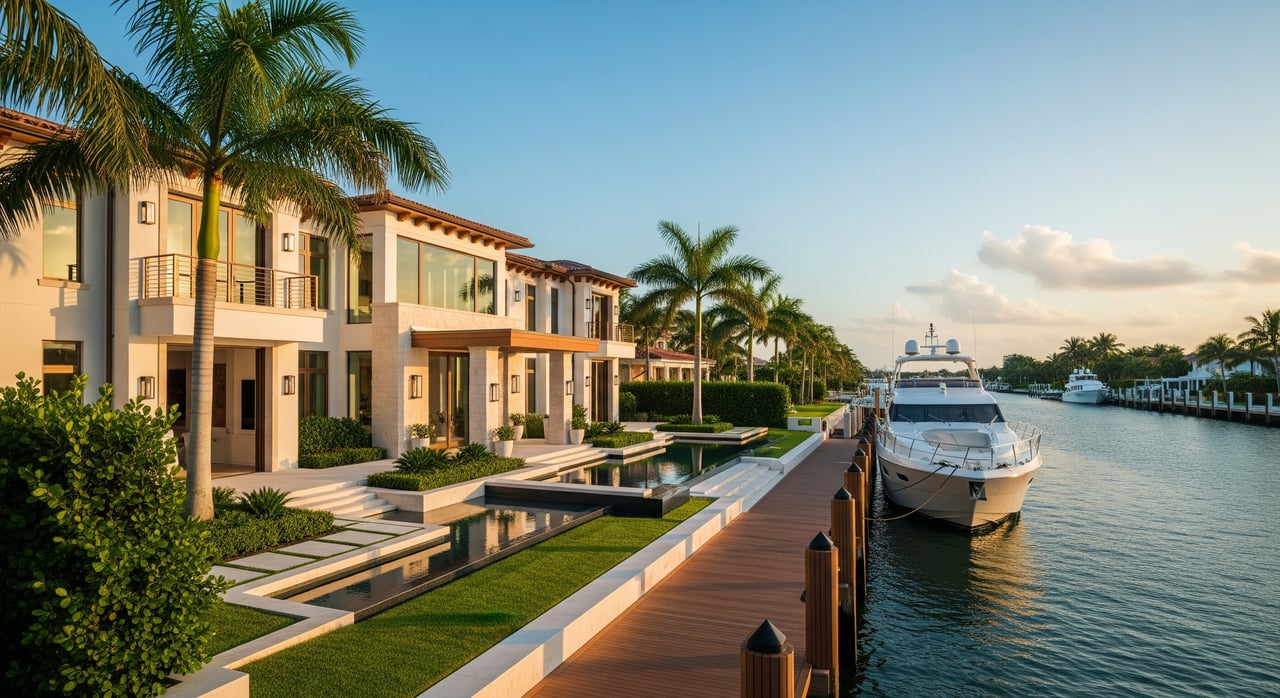
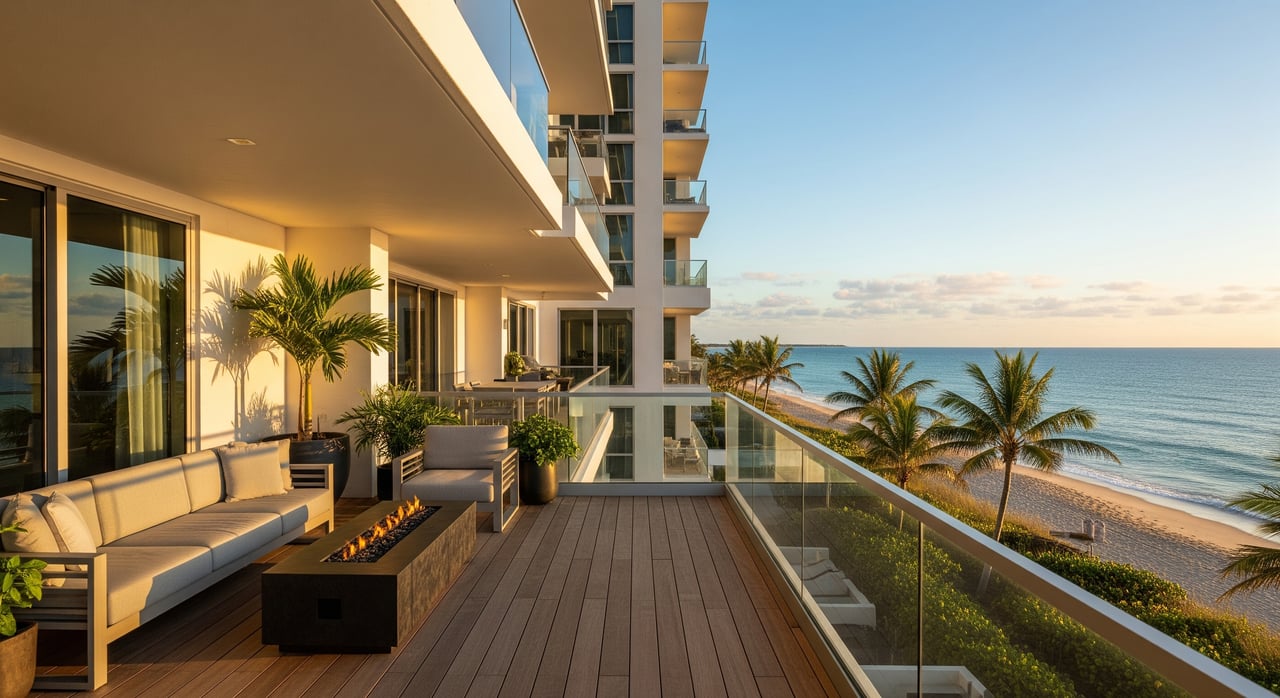
Imagine stepping from your private dune crossover to watch the sunrise over the Atlantic, then later that afternoon welcoming guests to your dock on the Intracoastal for a sunset cruise. If you are considering Manalapan, this is the unique rhythm of an ocean-to-Intracoastal estate. You want clarity on what these properties really offer, why they are so rare, and what to check before you buy. This guide breaks down the lifestyle, features, tradeoffs and due diligence so you can move forward with confidence. Let’s dive in.
What ocean-to-Intracoastal means here
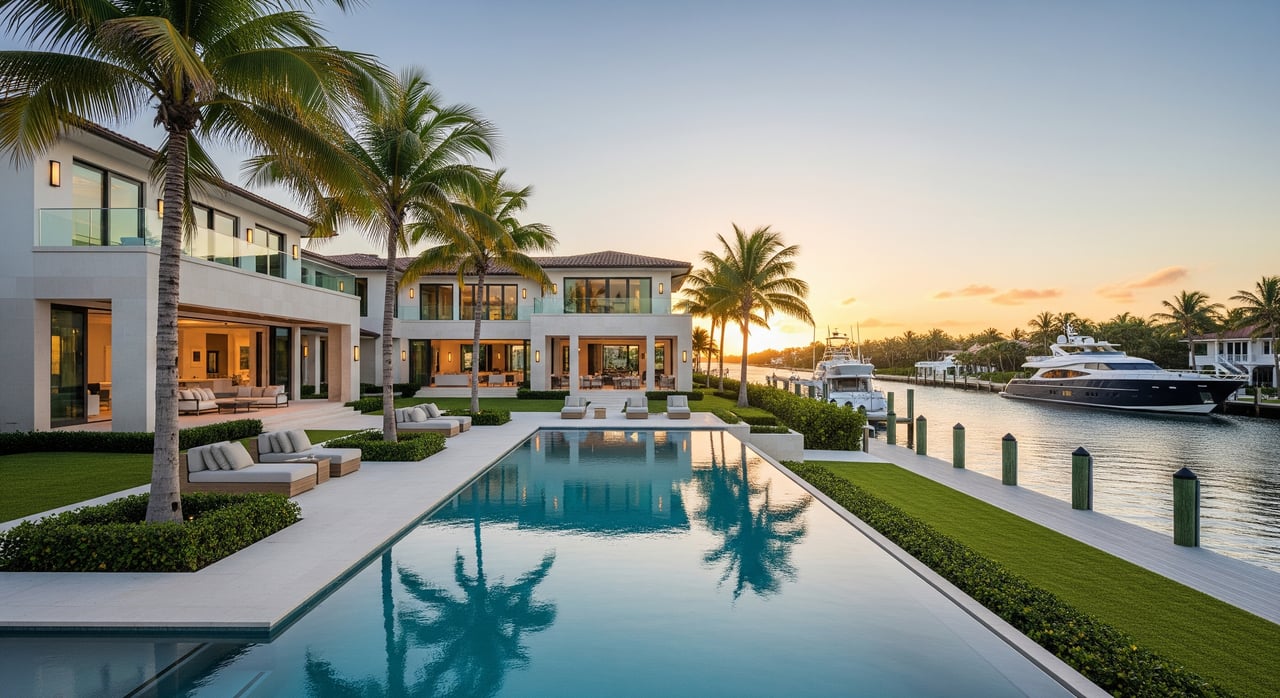
In Manalapan, an ocean-to-Intracoastal estate is a single property that stretches from the Atlantic beach on the east side to the Intracoastal Waterway on the west side. You control both shorelines on one private parcel. That means direct beach access and private dockage without crossing a public road.
Manalapan sits on a narrow barrier island in Palm Beach County, with calm, navigable Intracoastal waters and short, protected runs to the Palm Beach Inlet for offshore boating. You are close to Palm Beach dining, shopping and private services, and you enjoy both sunrise ocean views and tranquil west-facing water vistas.
Why these lots are so rare
- Narrow land and historic platting. Barrier islands are limited in width. Many parcels were platted decades ago as single-frontage lots, which left few through-lots that reach both shores.
- Scarcity and costly assemblage. Creating a continuous parcel typically requires assembling neighboring properties. That is uncommon in Manalapan and often expensive.
- Coastal rules and setbacks. Beach and dune work is tightly regulated under Florida’s Coastal Construction Control Line program, which limits how far and where you can build. Review the state’s CCCL framework on the Florida Department of Environmental Protection site for context on coastal setbacks and approvals.
- Environmental protections. Dunes, mangroves and nesting wildlife limit certain modifications and add permitting steps for docks, seawalls and lighting, especially during nesting seasons.
- Storm and sea-level risks. Exposure to hurricanes and surge increases construction standards, insurance costs and long-term resilience planning. Tools like the NOAA Sea Level Rise Viewer help illustrate local coastal dynamics.
- Low turnover at high values. Owners of these estates tend to hold them for long periods. When they sell, prices reflect scarcity, which further reduces turnover.
How daily life feels
Privacy and circulation
On the ocean side you have direct beach access, sunrise views and the sound of waves. At high tide the wet-sand area is part of the public trust, so occasional passersby can appear on the waterline. The Intracoastal side is calmer and often more private, with sheltered water views and fewer public users nearby.
Boating and marine convenience
Dual-frontage living gives you the best of both worlds. You keep your yacht or tenders on the Intracoastal for protected docking, easy fueling and service access. When the ocean calls, you have a short run to the inlet for offshore fishing or cruising. You can host a beach day and a boat day without leaving your property.
Recreation options
From the beach you can swim, surf and sunbathe steps from your door. From the dock you can cruise, fish inshore or launch paddleboards in wake-restricted waters. Guests often arrive by car on the ocean side and by water on the Intracoastal side, which gives you flexible hosting options.
Exposure and maintenance
Oceanfront living means more wind, salt spray and sun exposure. Exterior finishes, metalwork, HVAC components and dune stabilization require consistent care. Intracoastal systems need dock, lift and seawall maintenance, plus attention to water depth and occasional dredging needs.
Storm planning
You plan for surge and wind on both shorelines. Readiness often includes generators, elevated systems, impact glazing and clear evacuation and reentry plans aligned with municipal guidance and FEMA flood designations.
Sound and views
The ocean side delivers an expansive horizon and the sound of surf. The Intracoastal side offers quiet, sheltered vistas with boat traffic as the main source of activity.
Common features you will see
Lot and waterfront infrastructure
- Deep parcels that traverse the island or carefully assembled estates.
- Private dune crossovers and controlled beach access.
- Intracoastal docks with lifts, covered slips and channels suitable for larger boats.
- Seawalls or bulkheads on the Intracoastal side, with natural dune profiles on the ocean side.
Luxury and resilience features
- Ocean-facing pools, outdoor kitchens and guest or pool houses for flexible hosting.
- Secure garages sized for vehicles and water toys, with advanced security systems.
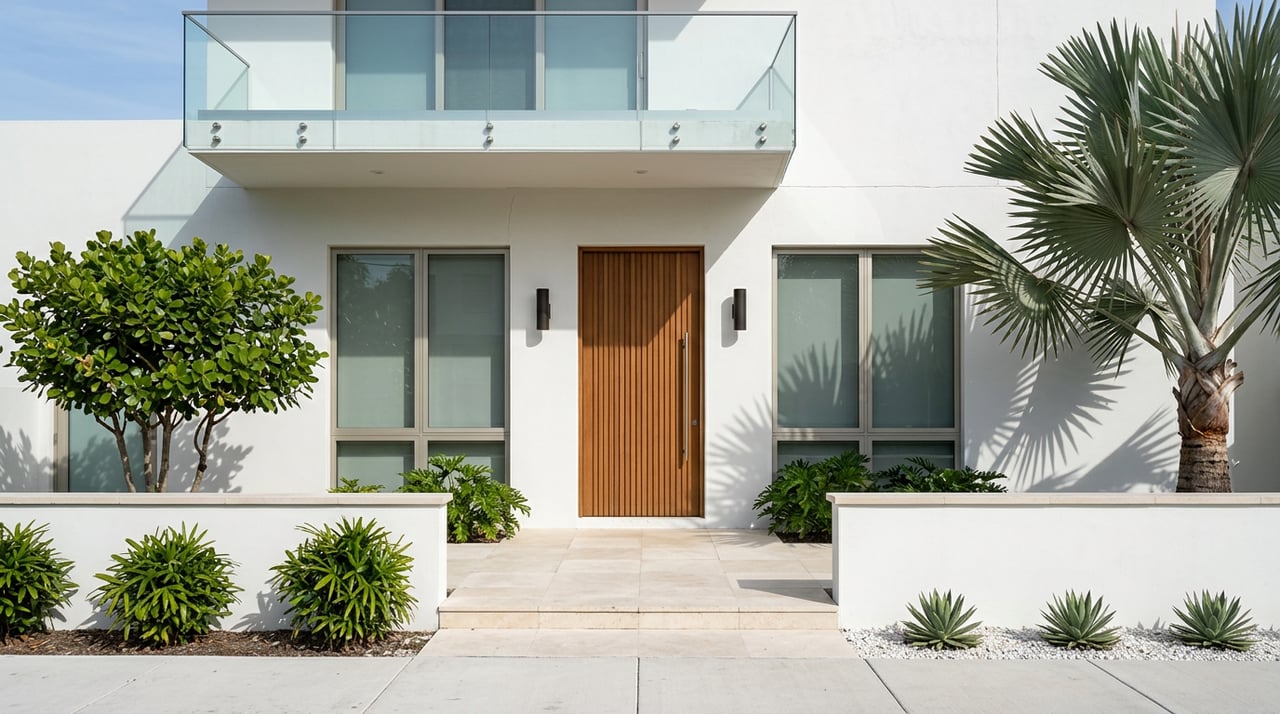
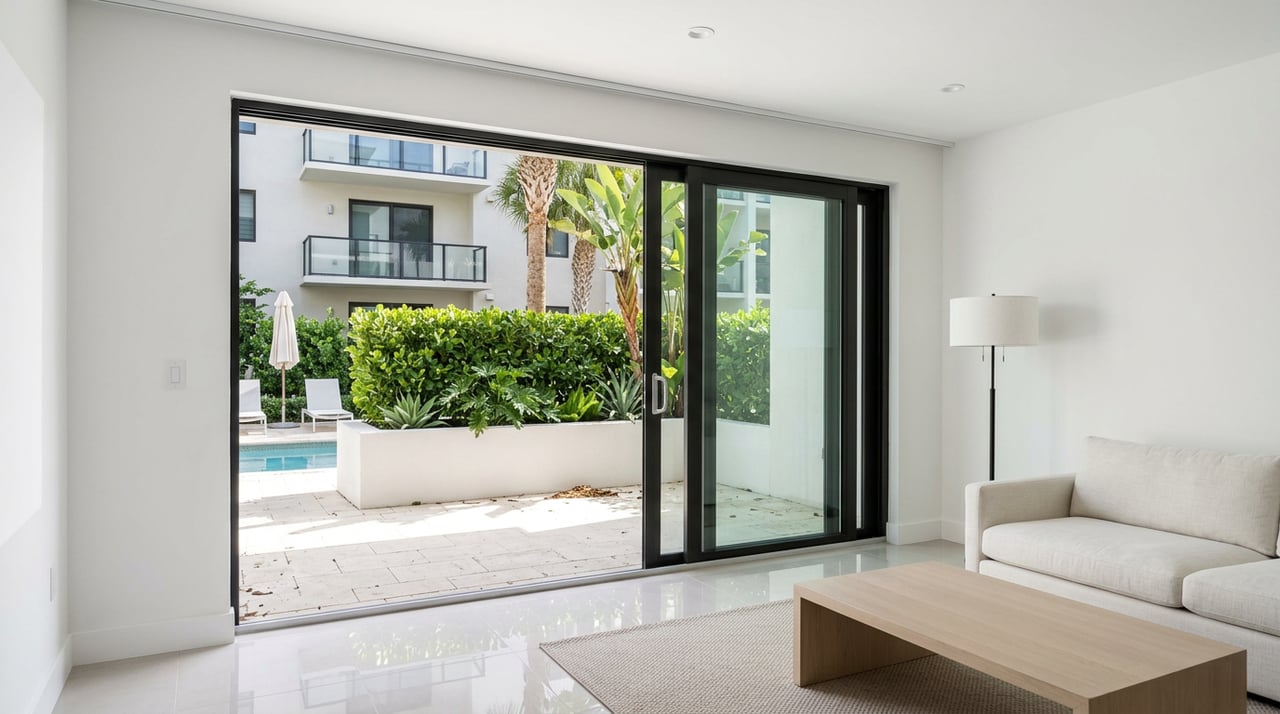
- Elevated construction, engineered pilings, hurricane-impact glazing, whole-house generators and high-capacity drainage or pump systems.
Permits and regulations that matter
- Beach and dune work typically falls under Florida’s Coastal Construction Control Line program. You can review CCCL guidance on the Florida Department of Environmental Protection’s site to understand beachfront permitting considerations.
- Dock construction and maintenance may require approvals from state and federal agencies. The U.S. Army Corps of Engineers maintains navigation information for the Atlantic Intracoastal Waterway.
- Lighting and seasonal rules protect wildlife. The Florida Fish and Wildlife Conservation Commission provides sea turtle lighting guidance that often applies to oceanfront estates.
- Flood zones and elevation. FEMA’s Flood Map Service Center shows your property’s flood zone and guides elevation certificate requirements that affect design and insurance.
- Long-range coastal data. The NOAA Sea Level Rise Viewer provides baseline visualizations that are helpful in resilience planning.
Links for reference:
Real costs to expect
- Insurance. Premiums for windstorm and flood are higher for oceanfront and dual-frontage estates. Private market options may fill gaps beyond NFIP levels, but pricing and availability change over time.
- Marine systems. Docks, lifts, seawalls and davits need periodic inspection, maintenance and eventual replacement. Channel depth and wake exposure affect wear and long-term plans.
- Exterior and corrosion. Salt air accelerates paint cycles and metal maintenance. Pool systems, outdoor kitchens and beach walkovers also require consistent care.
- Resilience and capital planning. Budget for generator replacement, impact glazing upgrades, dune nourishment and drainage improvements over a long horizon.
Due diligence checklist
Work through these items before you write an offer or launch a listing.
- Title and parcel configuration
- Confirm that the parcel legally spans from ocean to Intracoastal with a clean, continuous legal description. Review plats and any recorded easements.
- Surveys and elevations
- Order an up-to-date ALTA survey showing mean high water, topography and all improvements. Obtain a FEMA-compliant elevation certificate to assess flood zone and design implications.
- Permits and prior approvals
- Collect permits and as-built plans for docks, seawalls, dune work and home improvements. Flag any unpermitted shoreline or structural items.
- Environmental and seasonal rules
- Review sea turtle lighting requirements and mangrove protections. Check for mitigation agreements or restrictions tied to prior permits.
- Marine access and navigation
- Verify dock depths at mean low water, any fixed-bridge clearance along your route, and dredging records or known channel constraints.
- Insurance and resilience
- Get wind and flood quotes early. Confirm deductibles and any prior claims history that may affect pricing.
- Maintenance history
- Request records for seawall construction dates, dock and lift service, dune stabilization and corrosion or pest mitigation.
- Local planning context
- Check county or municipal hazard mitigation plans and beach renourishment schedules to understand future shoreline projects.
- Practical lifestyle questions
- How many private beach access points are on the parcel? Where is the nearest fuel source by water? Is the dock protected from wakes? What is the local pattern of beach erosion on this stretch?
Buying and selling strategies
For buyers, speed and certainty matter when a true through-lot appears. Have your advisory team prepped with surveyors, marine contractors and insurance contacts so you can evaluate depth, flood, permits and resilience quickly. Focus on livability details like dock configuration, dune access and service logistics.
For sellers, highlight both shorelines with clear visuals and documentation. Showcase beach access, dock capacity, elevations, resilience features and permit history. Buyers will prioritize operational clarity and long-term cost visibility just as much as finishes and amenities.
Your next step
Ocean-to-Intracoastal estates in Manalapan are rare, spectacular and operationally unique. The right guidance helps you understand the lifestyle, manage the tradeoffs and protect value over time. If you are exploring this niche, connect with a senior-led team that brings discretion, disciplined process and access to selective inventory. Reach out to Keith Neff and Camilla Goodwin LLC to start a confidential conversation.
FAQs
What does “ocean-to-Intracoastal” mean in Manalapan?
- It is a single private parcel that reaches from the Atlantic beach to the Intracoastal Waterway, giving you both direct beach frontage and private dockage on one estate.
How do flood zones affect a Manalapan ocean-to-Intracoastal estate?
Are there special permits for docks and dune work in Manalapan?
What wildlife rules should oceanfront owners know about?
- Sea turtle nesting seasons affect lighting and some activities near the beach. The Florida Fish and Wildlife Conservation Commission offers sea turtle lighting guidance.
How can I evaluate long-term coastal risk for a dual-frontage property?
- Pair professional surveys and local reports with visualization tools like the NOAA Sea Level Rise Viewer to understand elevation, surge exposure and shoreline trends.
What ongoing maintenance costs are typical for dual-frontage estates?
- Expect higher wind and flood insurance, routine dock and seawall service, dune and landscape care, corrosion control and periodic upgrades to generators, impact glazing and drainage systems.