Boca Raton Waterfront Home Selling: What Buyers Expect
February 5, 2026
February 5, 2026
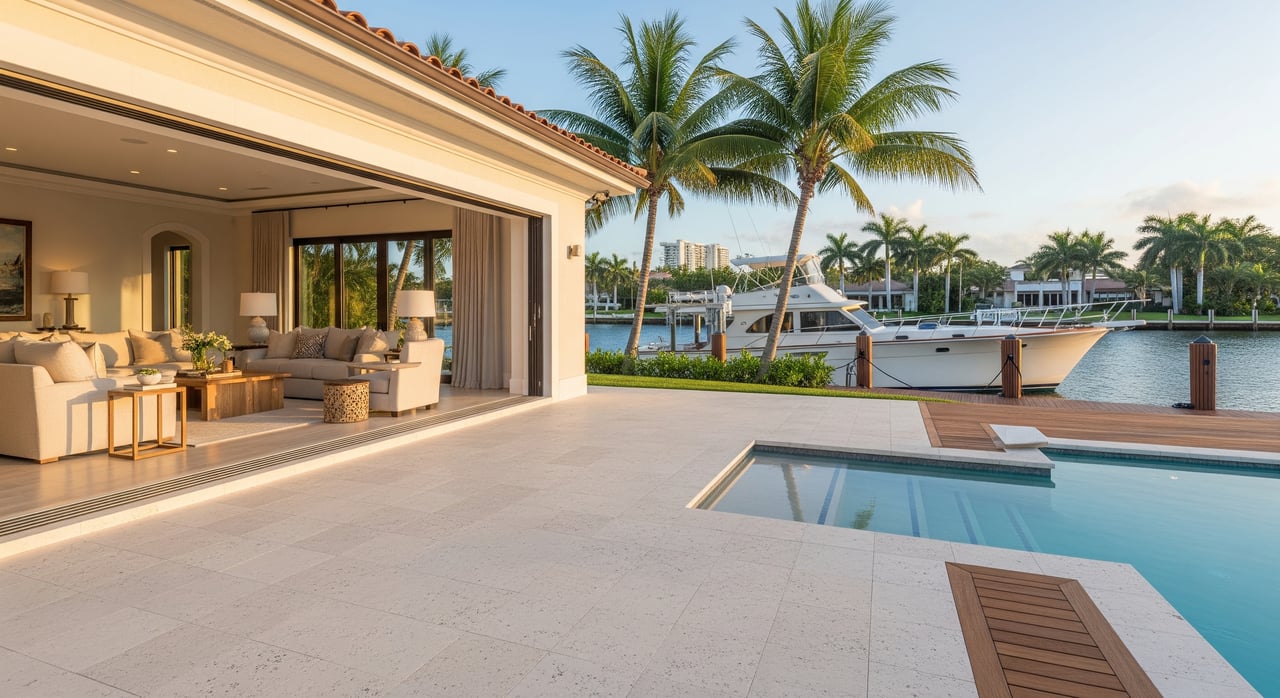
If you are preparing to sell a Boca Raton waterfront home, you know the view is only part of the story. High‑end buyers love the lifestyle, but they also look closely at access, resilience, and long‑term costs. With the right prep and presentation, you can meet those expectations and protect your price.
In this guide, you will learn what luxury buyers expect, the documents and inspections they will request, how to stage for maximum impact, and the marketing and negotiation moves that help you win. Let’s dive in.
Luxury demand in Boca Raton remains strong, but pricing is more selective than in the peak post‑pandemic period. Higher interest rates have trimmed the buyer pool at the top end, and days on market can stretch when a property has unresolved risk factors. Inventory is still limited, and truly comparable sales can be scarce, which puts a premium on precision and documentation.
Water type and access drive value. Oceanfront homes with private beach access command a different price than Intracoastal or canal properties. On the Intracoastal, deep water, no fixed bridges, dock length, and depth at low tide carry meaningful premiums. Elevation, flood zone, seawall condition, roof age, hurricane protection, and updated systems also influence buyer offers.
Serious boaters prioritize reliable deep‑water docking, slip length, and easy access to navigational channels. The proximity to the Boca Raton Inlet is a plus for many. Buyers expect clear documentation of dock permits, usable slip length at mean low water, and seawall ownership and condition.
Hurricane‑rated windows and doors, a solid roof, and impact protection are high‑value features. Buyers also look for elevated mechanicals like raised HVAC condensers and electrical panels and often ask about standby generators. Flood‑mitigation features and visible maintenance help reduce risk adjustments in offers.
Large terraces, covered outdoor kitchens, and seamless transitions between interior and exterior spaces are top of mind. Infinity pools and well‑planned landscape lighting add emotional appeal. Privacy and thoughtful coastal landscaping matter, especially for oceanfront lots.
Single‑family buyers expect private docks or slips, private seawalls, and full responsibility for shoreline structures. They want permits, repair records, and elevation details at the property level. Condo buyers focus on the association’s seawall responsibilities, slip availability, reserve funds, building hardening, and what the HOA and flood policies cover versus the unit owner’s policy.
Buyers often order specialized inspections for seawalls, docks, and bulkheads. Inspectors look for cracking, leaning, scouring, or corrosion, as well as moisture intrusion, mold, termite activity, and salt‑air wear on metals and equipment. Expect close review of roof condition and stormproofing.
If your home sits in a Special Flood Hazard Area, lenders typically require flood insurance. An up‑to‑date elevation certificate can help price that coverage accurately and sometimes lower premiums. You and your buyers can confirm flood zones through the FEMA Flood Map Service Center and review long‑term coastal context using the NOAA Sea Level Rise Viewer.
Insurance diligence is a major part of today’s deals. Buyers evaluate wind and hurricane coverage, deductible levels, insurer stability, and any non‑renewal or claims history. The Florida Office of Insurance Regulation and Citizens Property Insurance provide useful market and program information you can reference while preparing your documentation.
Docks and seawalls may involve permits from local authorities, the Florida Department of Environmental Protection and, in some cases, the U.S. Army Corps of Engineers. Having a clear permit history and title to any submerged land or rights clarifies use and avoids closing risks. Learn more from the Florida Department of Environmental Protection and the U.S. Army Corps of Engineers regulatory program.
Expect contingencies for general and marine inspections, appraisal, financing, title review, and HOA review for condos. Buyers often request elevation certificates, surveys showing mean high and low water lines, seawall repair records and permits, dock surveys, and insurance quotes.
Create a document package before you list. It shows transparency and can speed up negotiations.
Consider pre‑listing inspections on high‑risk items.
Round out your marketing prep.
Keep sightlines clear. Remove heavy drapery, use light window treatments, and arrange furniture to face the water. Open interior doors to show flow and consider trimming or replacing bulky outdoor furniture to showcase deck capacity.
Use a neutral, coastal palette and minimal décor so the water commands attention. Twilight photos and lit pathways, pool areas, and terraces create an emotional pull that translates well online.
For condos, emphasize amenities that reduce ownership friction, such as on‑site management, marina facilities, reserves for seawalls, and building hardening. Provide clear association financials, insurance details, and minutes that address waterfront projects or assessments.
Waterfront lots are unique, so one or two nearby sales can carry outsized weight. A broker price opinion or appraisal that adjusts for orientation, dock depth and length, seawall age and type, elevation, and ocean access will set realistic expectations. If large capital items are uncertain, plan for a concession range or obtain written repair estimates to protect your net.
Your listing should meet luxury buyer standards. Include aerial drone photography that shows orientation and proximity to the inlet, professional twilight shots, a Matterport‑style tour, and boat‑level photos. Provide detailed floor plans, a site plan with dock and seawall locations, and remarks that highlight attributes like deep water, no fixed bridges, and documented seawall details.
Be ready for requests related to seawall or dock repair credits, roof allowances, or offsets for rising insurance costs. Some buyers seek escrowed funds for identified repairs if work cannot be completed before closing. Luxury buyers often ask for longer due‑diligence periods to complete marine and permit reviews.
Have clear, written answers for the most common questions.
Selling a Boca Raton waterfront property takes more than a great view. When you present clear documentation, show resilient systems, stage for the water, and deliver premium marketing, you give buyers confidence and protect your price. If you want a tailored plan and concierge execution, connect with Keith Neff and Camilla Goodwin LLC to Request Exclusive Off‑Market Access.
Stay up to date on the latest real estate trends.
May 14, 2026
May 7, 2026
April 23, 2026
April 16, 2026
April 2, 2026
March 24, 2026
March 5, 2026
February 19, 2026
February 5, 2026
Keith & Camilla strive to represent, advise and achieve results that ensure long-term success for all of their clients. They view each assignment as an opportunity to create a long-term relationship with a win-win conclusion for all parties.